Four Strings and No Excuses: Inside the Ukulele Clubs Rewiring Who Gets to Be a Musician
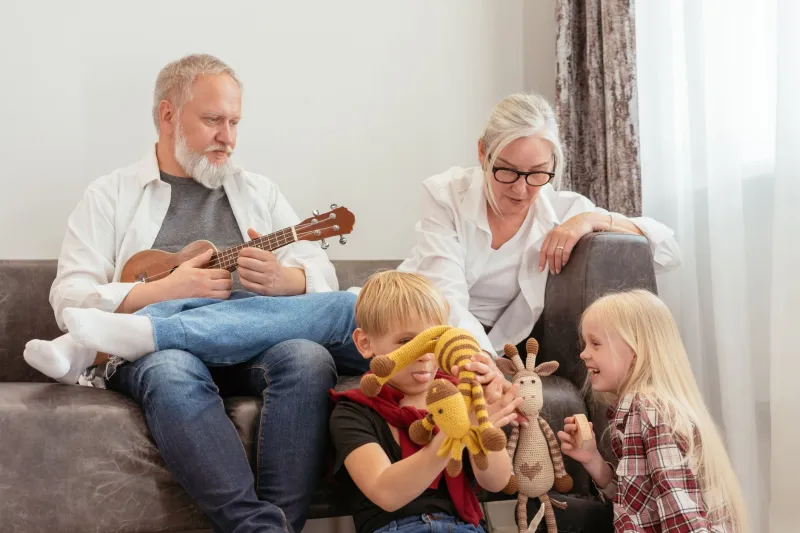
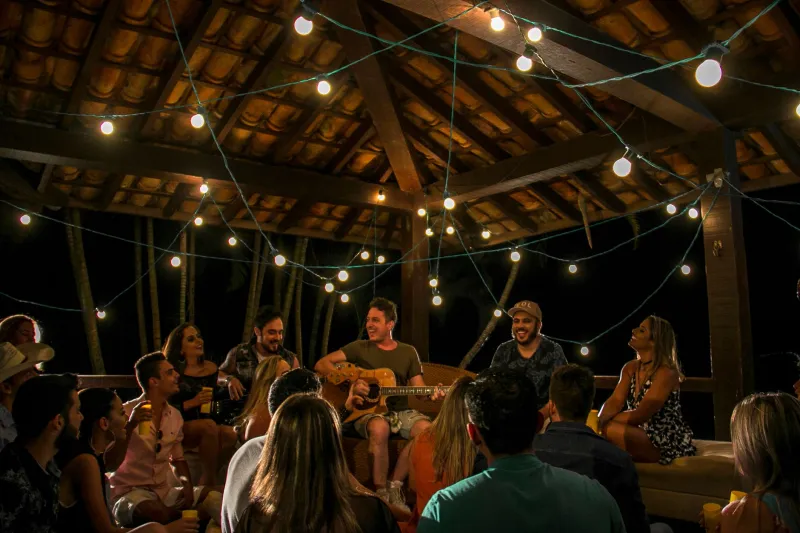
There's a moment that happens at nearly every ukulele club meeting in America, and if you've never witnessed it, you should. Someone — usually a woman in her sixties who swore up and down she 'has no rhythm' — strums through her first full song without stopping. The room cheers. She looks genuinely stunned. And then, without fail, she asks what song they're learning next week.
That moment is happening a lot lately. In senior centers, public libraries, church basements, and veterans' halls across the country, the ukulele is having a moment that nobody in the music industry saw coming. And the people driving it aren't teenagers chasing TikTok trends. They're grandparents, recent retirees, and empty nesters who decided that maybe, just maybe, it wasn't too late to make some noise.
The Instrument That Doesn't Say No
Let's be honest about why the ukulele wins where other instruments lose. A decent starter uke costs about the same as a nice dinner out. It's light enough to carry under one arm. Your fingers only need to master a handful of chords before you can play literally hundreds of songs. And when you botch a chord — because you will, everyone does — it sounds sort of charming instead of catastrophic.
Compare that to the guitar, which punishes beginners with tender fingertips and barre chords that feel like a medieval torture device. Or the piano, which requires a serious financial investment and a piece of furniture to put it on. The ukulele just says yes.
Dr. Elaine Torres, who runs a music education program out of a community college in Michigan, puts it bluntly: 'The ukulele has the shortest distance between picking up an instrument and actually playing a song you love. For adults, that distance is everything. They don't have five years to get good. They have Tuesday nights.'
From The Villages to the VFW
The boom is happening everywhere, but it looks a little different depending on where you drop in.
In Florida's sprawling retirement communities — places like The Villages, where club culture is practically a civic religion — ukulele groups have multiplied faster than the rec center can book rooms. Some of these clubs have waitlists. Waitlists. For a plastic-and-wood instrument that peaked culturally in the 1920s.
Drive up to the Midwest and the scene gets a little grittier, a little more heartland. At a VFW hall outside Dayton, Ohio, a Tuesday night uke club started when a Korean War veteran's grandson left his ukulele behind after a visit. Six years later, the club draws forty-some players, many of them veterans themselves, working through a songbook that runs from Hank Williams to, inexplicably, Bruno Mars.
And in public libraries from Spokane to Springfield, librarians — who have quietly become America's most underrated community organizers — are lending out ukuleles the way they lend out books. Learn a few chords, return the uke, maybe come back for the club that meets on Thursdays.
Dismantling the 'Too Old for This' Myth
Here's the part that matters beyond the feel-good stories: these clubs are taking a sledgehammer to one of the most stubborn ideas in American culture — that music is for the young, and if you didn't lock in your instrument by fourth grade, the window has closed.
Research on adult brain plasticity has been chipping away at that myth for years. Learning an instrument in your sixties or seventies isn't just possible; it's genuinely good for you. Studies have linked amateur music-making in older adults to improved memory, reduced isolation, and better mental health outcomes. But nobody joins a ukulele club for the peer-reviewed benefits. They join because their friend dragged them to one meeting and now they can play 'Somewhere Over the Rainbow.'
There's also something quietly radical about the social structure of these clubs. In a culture that increasingly sorts older adults into consumption roles — audiences, customers, passengers — a ukulele club makes them creators. Performers, even, at the holiday showcase at the senior center or the open mic at the county fair.
More Than a Hobby, A Commons
At Cultural Commons, we spend a lot of time writing about how shared creative spaces hold communities together — the murals, the choirs, the little theaters. The ukulele club belongs in that same family, and it might be the most accessible member yet.
Because here's what actually happens at these meetings. People who live alone show up because someone noticed they missed a week. Recent widows and widowers find a room where nobody asks them about their loss but everybody understands it's there. New retirees who just lost a workplace full of colleagues build a new one around a folding table and a songbook.
The songs are often simple. The playing is frequently imperfect. None of that is the point.
The point is that a $60 instrument and a free room have become a doorway back into community for thousands of Americans who'd been quietly drifting toward the edges of it. And unlike so much of our cultural life, there's no gatekeeping, no audition, no expensive gear to buy. Just four strings, a chord chart, and a room full of people who are all, collectively, beginners.
If there's a ukulele club near you — and statistically, there probably is — consider this your invitation. Show up. Strum badly. Cheer for the person next to you when they get through their first song.
That's the whole thing. That's the whole movement.