The Tuesday Regulars: How Pub Quiz Turned Strangers Into a Team
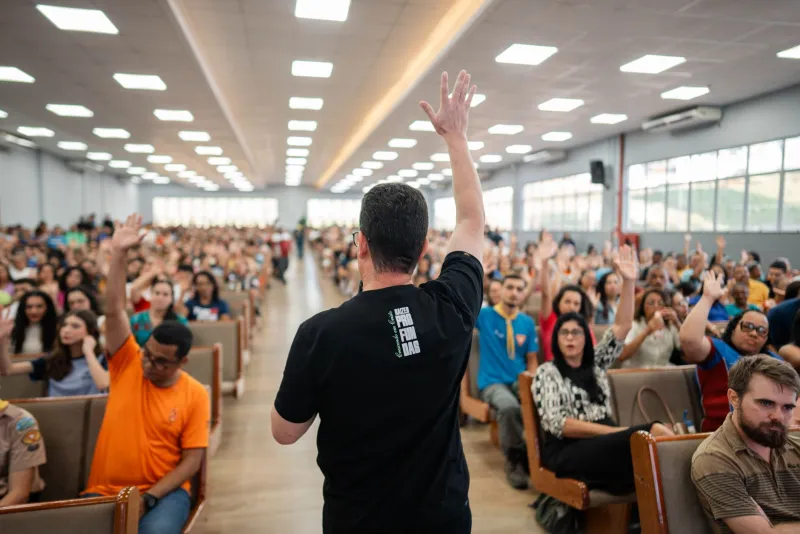
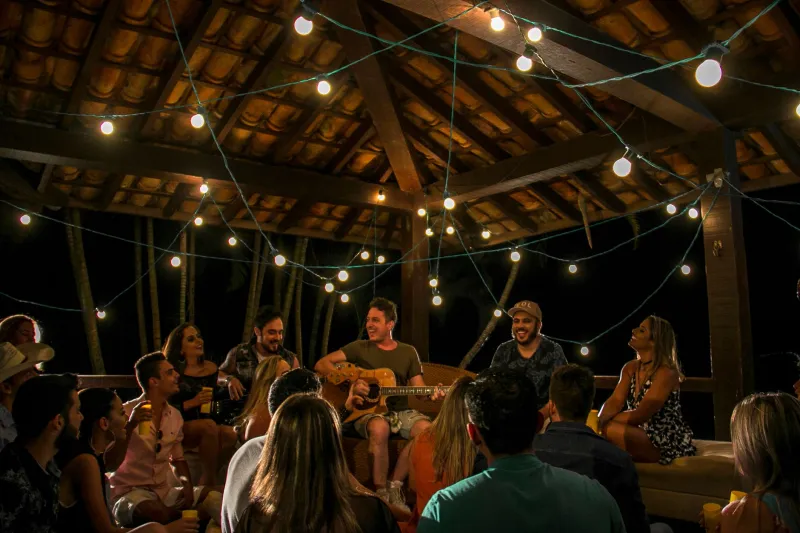
It's 7:15 on a Tuesday at a dive bar in Columbus, Ohio, and the host — a middle-school science teacher named Dee who does this for free beer and the love of the room — taps the mic twice. Twenty-six teams hunch over answer sheets. A group of nurses who've come straight from a shift. Four guys who met on a disc golf forum. A woman in her seventies who shows up alone every week and gets adopted by whichever table has a spare chair.
Nobody here would call this culture. But it is.
The Ritual That Stuck
Pub quiz came over from the UK, where it's been a pub institution since the 1970s. American bars adopted it slowly, then all at once. Today, national companies run trivia nights in thousands of venues, and plenty of bars have ditched the middleman entirely, training their own hosts and building quiz nights into the weekly calendar like it's church.
What's interesting isn't that trivia exists. It's that it stuck — and kept growing — while so much of the social infrastructure around it fell apart. Bowling leagues declined. Elks lodges emptied. Fraternal organizations that once anchored American social life have been shrinking for decades. Meanwhile, the humble quiz night multiplied.
The difference might be the barrier to entry. You don't need equipment, a season commitment, or a skill. You need a pen and a willingness to be wrong in public.
Third Places, Low Stakes
Sociologist Ray Oldenburg coined the term "third place" for the spaces that aren't home and aren't work — the diners, barbershops, and front porches where community actually happens. Those places have been vanishing, priced out or replaced by screens. Trivia night is a third place with a structure bolted on: a fixed time, a shared activity, and a reason to talk to the people next to you.
That structure matters more than it looks. Meetup mixers are awkward because the only agenda is socializing. Trivia gives everyone something to do together — a question to argue about, a category to groan at, a wager to second-guess. Conversation happens as a side effect.
For transplants and newcomers, that's gold. Ask around any quiz night and you'll hear versions of the same story: moved to a new city, didn't know anyone, saw a flyer, showed up alone, now can't imagine Tuesday without it. Teams function as ready-made social clubs with a low initiation fee. Nobody asks what you do for a living. They ask if you know the fourth-longest river in Africa.
The Host as Neighborhood Celebrity
Every quiz scene has a Dee. The host who knows which team needs a softball question and which one lives for a brutal audio round. Who remembers the regulars, teases the right tables, and keeps the pace tight enough that nobody drifts to their phone.
Good hosts become genuinely local famous — recognized at the grocery store, greeted like minor celebrities. It's a strange new kind of community role: part emcee, part referee, part town crier. And unlike so much of the attention economy, it's hyperlocal fame that can't be scaled or monetized. Dee is famous within a four-block radius, and that's exactly the point.
Some hosts get ambitious. Library trivia tournaments now draw dozens of teams in cities from Portland, Maine to Portland, Oregon. Quiz leagues run full seasons with standings and playoffs. A few bars have had to cap registration because fire code said so.
Libraries, Breweries, and the Expansion of the Format
The format has also wandered out of the bar. Libraries host daytime trivia for folks who don't drink or don't do nights. Coffee shops run family-friendly editions. Museums use after-hours quizzes to pull in younger crowds. One community college in the Midwest runs a trivia night explicitly for international students, mixing American pop culture questions with world history — the international students, unsurprisingly, dominate.
The questions themselves have become a quiet battleground over whose knowledge counts. The best hosts have moved past a canon of dead presidents and Super Bowl scores toward questions about hip-hop, immigrant foodways, queer pop culture, and regional history. When the questions reflect the room, more of the room shows up.
Why It Matters
It's tempting to dismiss trivia night as a cute amenity, a marketing gimmick breweries use to sell pints on slow nights. But look closer at what's happening in that room: strangers forming teams, regulars saving chairs, a lone regular getting folded into a table like it's nothing.
In an era when loneliness gets labeled an epidemic and half the country says they don't have a single close friend nearby, that's not a gimmick. That's infrastructure.
It won't fix everything. A quiz night can't build affordable housing or slow down a culture that keeps us home and scrolling. But it does something smaller and realer: it gives people a weekly appointment with their own neighborhood. It turns a bar full of strangers into a room full of rivals, collaborators, and — eventually — friends.
And if you're wondering: the Congo River. Someone at table six got it. They won by one point, and they will absolutely bring it up next Tuesday.