Tomatoes, Toolsheds, and Two-Verse Poems: The Night Your Community Garden Became a Stage
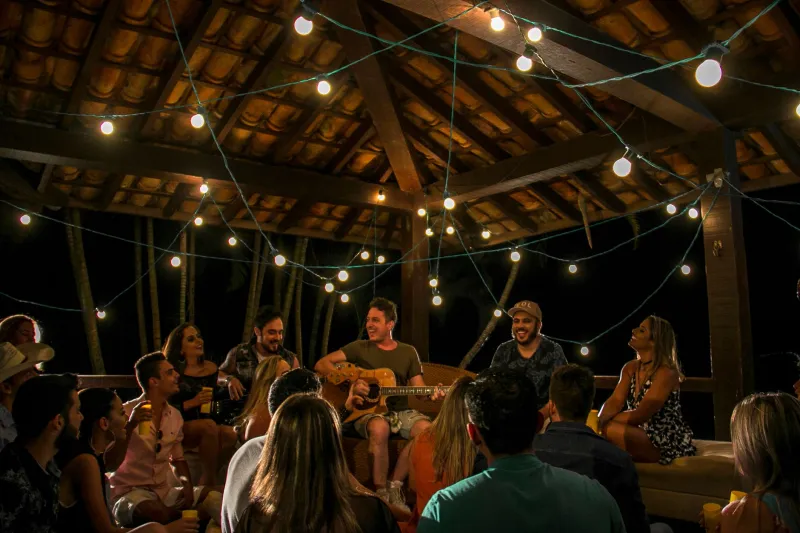
There's a moment—usually around sunset, when the string lights flicker on and somebody's kid stops chasing fireflies—that a community garden stops being a garden. The tomato stakes become a horizon line. The compost pile becomes backstage. A folding chair orchestra assembles between the kale rows, and suddenly you're at a show.
No ticket. No two-drink minimum. No velvet rope. Just neighbors, dirt under their fingernails, and someone stepping up to a mic plugged into a battery pack to read a poem about their grandmother's hands.
If you haven't been to one yet, you will soon. The garden-as-venue is having a moment, and honestly, it makes perfect sense.
Why Gardens? Why Now?
Ask garden organizers why they started hosting performances and you'll get a version of the same answer: the space was already there, and so were the people.
"We weren't trying to build an arts institution," says Maria Delgado, who coordinates a half-acre plot in East Austin where a monthly storytelling night now draws upward of a hundred folks. "We were trying to grow food. But gardens are gathering places by design. People linger. People talk. At some point somebody brought a guitar, and that was that."
There's also a practical math to it. Renting a proper venue can cost hundreds of dollars a night—money a volunteer-run organization doesn't have. A garden, by contrast, is already paid for, already insured through the parks department or a land trust, and already beloved. The overhead is a portable speaker and a bag of citronella candles.
For performers, especially those early in their careers, the low stakes are the point. An open mic in a garden is forgiving in a way that a comedy club at 8 p.m. on a Tuesday is not. Nobody's heckling over the sound of crickets.
The Accessibility Nobody Talks About
We talk a lot about barriers in the arts—ticket prices, dress codes, the unspoken rules of knowing where to sit and when to clap. Gardens quietly erase most of them.
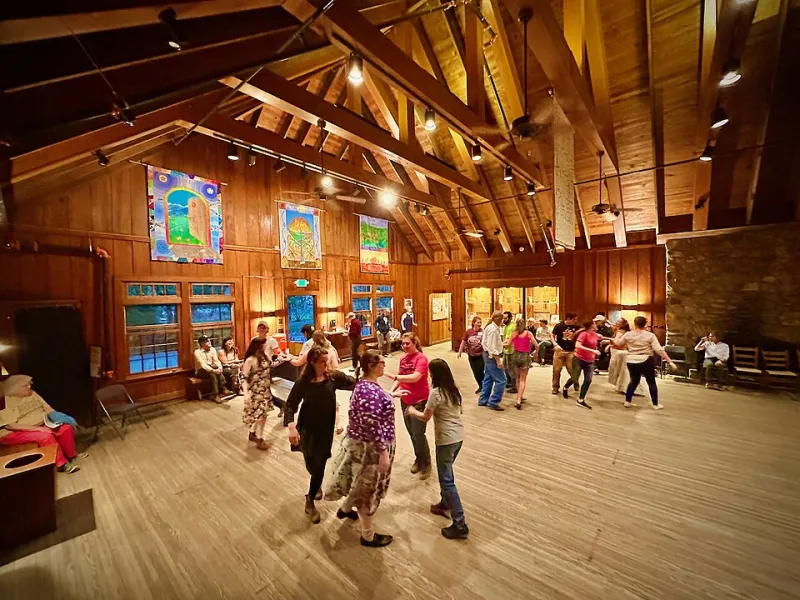
Show up in flip-flops. Bring your toddler. Bring the casserole you didn't finish. The person next to you might be a retired machinist hearing spoken word for the first time, and the poet on stage might live two doors down from him. That proximity does something a black box theater can't: it collapses the distance between audience and artist until there isn't one.
In Philadelphia, a garden collective in Kensington runs a summer series where the lineup is deliberately mixed— seasoned musicians sharing a bill with first-timers reading work for the very first time. "The garden doesn't care about your resume," one organizer told me. "It cares whether you watered the beds. Everyone earns their place with their hands before they take the mic."
That's a culture you can't manufacture. It grows—sorry—from the ground up.
Growing Food, Growing Culture
There's a deeper argument here, too, one that gardeners have been making for decades: the act of cultivating something together is itself a cultural practice. Adding performance to the mix just makes it audible.
Storytelling nights in gardens often end up tracing the neighborhood's history—stories about what the lot used to be, who fought to keep it, whose family farmed this soil generations ago. In cities like Detroit and Atlanta, where urban agriculture intersects directly with questions of land, displacement, and reinvestment, these gatherings become a kind of living archive. The art and the activism share a root system.
And for immigrant communities, garden stages have become spaces where traditions travel. A Hmong folk song in a Minneapolis garden. A bomba dance demonstration in a Chicago plot. The venue asks nothing of the art form except that it be shared.
How to Start One on Your Block
The good news: this is one of the easiest cultural projects to launch, and gardeners are famously a "sure, why not" population.
- Ask the garden first. Most garden committees will say yes if you handle logistics—noise hours, cleanup, and keeping pathways clear for members who just want to water their peppers in peace.
- Keep the tech minimal. One battery-powered PA, a string of lights, done. If the setup takes more than fifteen minutes, you've overbuilt it.
- Schedule around the season. Golden hour in late spring and early fall is your friend. Nobody wants to perform poetry during a July heatwave in Texas.
- Pair the show with the harvest. A tomato-tasting, a zucchini give-away, a potluck table. Feed people and they will stay for the art.
- Pay performers something, even something small. A garden can't match a club fee, but a stipend, a share of the donation jar, or at minimum a genuine honorarium signals that the work has worth.
The Show Will Go On (Until Frost)
There's something fitting about the seasonality of it all. Garden venues close when the gardens close. The final show of the year often happens right before the first frost—everyone aware, in a way audiences at indoor venues never are, that this is temporary, that the space itself is alive.
Maybe that's why people remember these nights differently. Not as content, not as a listing they scrolled past, but as an evening that belonged to a specific patch of earth and a specific group of people who decided, for a few hours, that a garden could be a theater.
Next growing season, check the bulletin board at your local plot. If there's no show scheduled, bring it up at the next meeting. Bring a guitar or a poem or just a folding chair.
The tomatoes will be there. The audience is closer than you think.