Cardboard, Scraps, and a Hot Glue Gun: How Puppetry Became the Art Form Anyone Can Join
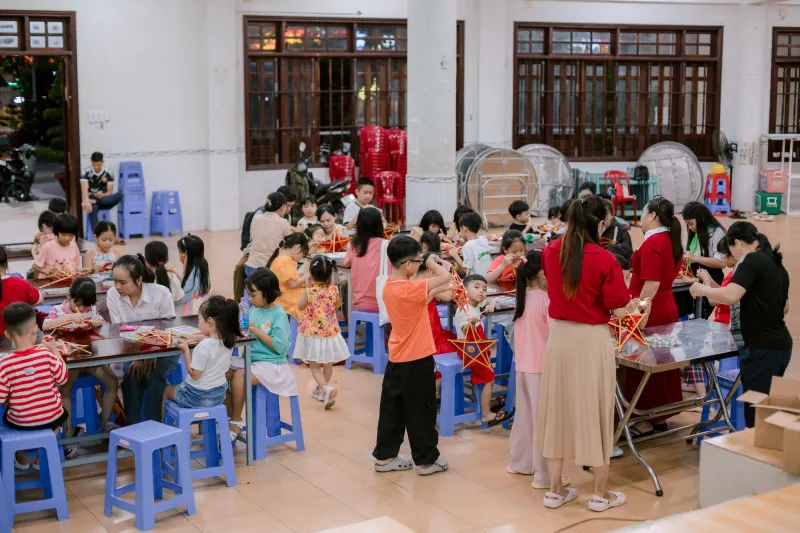
Walk into the back room of the Lillian H. Smith branch library in Columbus on a Saturday afternoon and you'll find a scene that looks like chaos but is actually a theater company in rehearsal. A retired machinist is sewing a felt dragon. A ten-year-old is negotiating with a 3D printer. A grandmother is painting eyebrows onto what will eventually be a very opinionated raccoon.
Nobody here has a theater degree. Nobody needs one.
The Lowest Barrier in the Arts
Every art form has a tollbooth. Oil painting wants supplies. Ballet wants decades of training. Filmmaking wants gear, permits, and usually somebody's money. Puppetry, it turns out, wants a cardboard box and your hands.
That's always been true in theory, but something shifted in the last few years. Community puppet troupes are popping up in places that have never had a performance tradition — strip mall plazas in suburban Phoenix, county parks outside Des Moines, rec center gyms in Philadelphia. A national network of puppetry guilds reports steady growth in local chapters, and library systems from Seattle to Atlanta have started lending out puppet-making kits the way they lend out cake pans and birding backpacks.
The pandemic deserves some credit, oddly enough. When live performance shut down, puppetry didn't need a live audience to survive. People built shows for webcams, for back fences, for the neighbors' kids gathered six feet apart on a lawn. When the world reopened, a lot of those makers never put the glue gun down.
Puppet Labs and the Library Economy
The quiet engine behind this resurgence is the public library — the same institution quietly running tool libraries and recording booths. Puppet labs are the newest addition to the maker-space menu: tables of scrap fabric, bins of dowels, donated buttons, and a volunteer who knows how to thread a sewing machine.
In Sacramento, a regional library branch runs a monthly build night where finished puppets are donated to after-school programs. In rural Vermont, a bookmobile doubles as a puppet depot, delivering felt and googly eyes to towns that don't have a craft store within thirty miles.
"It's the only art form where a six-year-old and an eighty-year-old can work on the same project and both be genuinely useful," says one librarian who coordinates a build night in Ohio. "The kid does the imagination. The elder does the seams. Everybody wins."
Garage Troupes and Park Tours
Then there are the people who take it further. Across the country, small puppet troupes are forming the way garage bands always have — in driveways and basements, with whatever's on hand.
In Kansas, a retired school bus driver builds marionettes from porch scrap and tours them through small-town parks each summer, setting up a pop-up stage on a flatbed trailer. In Tucson, a collective of night-shift workers rehearses shadow puppetry in a carport and performs at the local farmers market. One troupe in western North Carolina builds giant processional puppets for community festivals, the kind that require three people and a lot of duct tape to operate.
What these groups share isn't a style — it's an economy. Startup cost: almost nothing. Performance venue: wherever people already are. Casting policy: whoever shows up.
Accessibility Isn't a Feature, It's the Foundation
Here's the part that makes puppetry genuinely different from other community art revivals: the puppet does the performing.
For people with stage fright, mobility limitations, speech differences, or social anxiety, the puppet is a buffer and a megaphone at once. Occupational therapists have long used puppets as therapeutic tools. Now community troupes are discovering the same principle works for recreation. A performer who uses a wheelchair can operate a marionette from a seated position. A nonverbal kid can voice a whole cast. A shy adult who would never take an improv class will happily make a sock puppet say outrageous things.
Disability-led puppet companies have been making this argument for decades; the mainstream is finally catching up. Adaptive puppetry workshops now appear on the calendars of community arts councils from Minneapolis to Miami, often with grants specifically earmarked for inclusive programming.
The Democratization Is the Point
There's a temptation to frame all of this as cute — a wholesome hobby story. But there's something more substantive happening. Puppetry, historically, has always lived in the in-between spaces: folk tradition and fine art, children's entertainment and political satire, sacred ritual and street corner. It has never needed institutional permission to exist, which is exactly why it thrives in communities that other art forms overlook.
When a neighborhood builds its own puppets, it decides what its stories look like. A mural is permanent and a play requires a script, but a puppet show can be remade every weekend, with a cast drawn entirely from the people watching it.
The materials tell the story too. Cardboard, fabric scraps, recycled plastic, the odd 3D-printed joint — this is an art form built on what a community already has. No conservatory audition, no gallery gatekeeper, no $40,000 stage lighting rig.
Just hands, scraps, and a story somebody needed to tell. Turns out that was always enough.