Daubers and Drag Queens: Inside the Bingo Hall Glow-Up Nobody Saw Coming
Photo: Internet Archive Book Images, No restrictions, via Wikimedia Commons
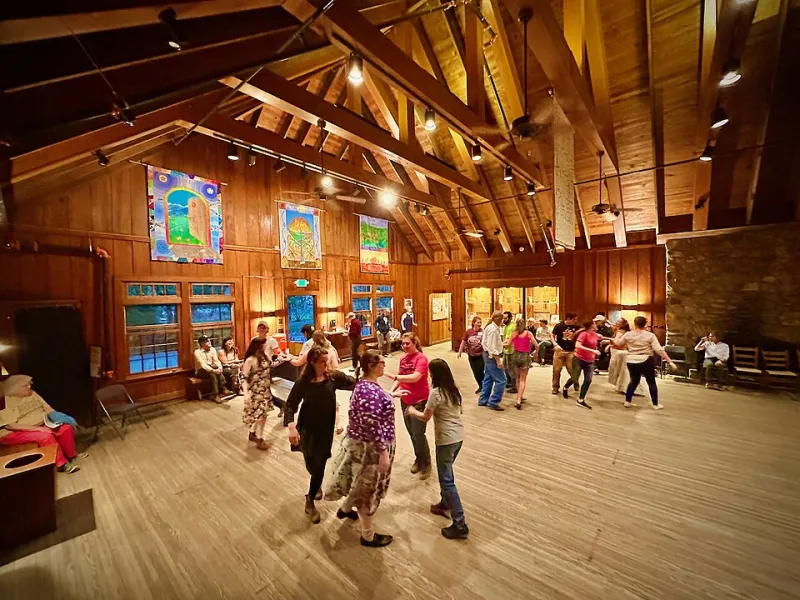
On a Friday night in Columbus, Ohio, the parking lot of VFW Post 3113 is fuller than it's been in decades. The median age inside, though? Maybe twenty-four.
Welcome to the bingo hall renaissance — a quietly booming movement where America's legacy game rooms, grange halls, and lodge buildings are becoming the hottest ticket for a generation that's been priced out of just about everywhere else.
Priced Out of the Party
Let's do the math. A night out at a mid-size concert: $60 before fees. Two cocktails at a downtown bar: $30, minimum. Cover charges, valet, the unspoken expectation to keep ordering — it adds up fast, and young adults are feeling it.
Bingo night, by contrast, might run you $15 for a full card packet, and the concession stand sells nachos for two bucks. In an economy where a third place — that sociologist-approved spot that isn't home or work — has become a luxury good, the bingo hall is the rare venue where a twenty-something can actually afford to hang out.
"We were losing our shirt on Friday rentals," says Dale, a 71-year-old post commander who asked us to use his first name. "Then the kids started calling. Now I can't tell you what a drag queen charges, but I can tell you our kitchen hasn't been this busy since 1987."
Drag Bingo: The Gateway Event
If there's a single engine driving this revival, it's drag bingo. What started as a niche fundraiser format in cities like Portland and Austin has spread to small-town lodges from Kansas to Maine, packing in crowds that skew young, queer-friendly, and loud.
The formula is simple: take a game your grandmother mastered, hand the mic to a performer with a sequined gown and a merciless sense of humor, and let the intergenerational magic happen. When a 23-year-old barista yells "B-9!" three seats down from a retired schoolteacher who's been playing Tuesdays since 1979, something happens that no algorithm can replicate.
These nights also matter economically. Many halls take a cut of ticket sales or run the bar themselves, and for veterans' organizations and granges that have watched membership dwindle, the revenue is keeping lights on and roofs patched.
More Than a Game Night
The reinvention goes deeper than one format. Halls that once sat empty four nights a week are now programming like small venues:
- Themed game nights — Taylor Swift bingo, horror-movie bingo, "bring your dog" bingo — each drawing a different crowd
- Grange halls hosting seed swaps and supper clubs alongside their traditional card games
- Intergenerational tournaments where grandmothers coach Gen Z players on the fine art of playing six cards at once
- Community fundraiser nights where proceeds flow to local food banks, youth sports, and mutual aid groups
In rural Minnesota, a grange hall now runs a monthly "Bingo and Board Games" night explicitly designed as an alcohol-free social option. In Detroit, a lodge partners with a local DJ collective for after-hours dance parties that pay for the building's heating bill in winter.
Saving the Buildings That Hold Us
There's a preservation angle here, too. Lodge halls and granges are some of the last large, affordable gathering spaces in many American towns — buildings with sprung dance floors, industrial kitchens, and parking, sitting on prime real estate that developers eye hungrily.
Every sold-out bingo night is, in a very literal sense, a reprieve. When a hall earns enough to pay its property taxes, it doesn't get sold to become condominiums. It stays a hall.
And unlike a chain bar or a corporate event space, these buildings come with decades of accumulated meaning. Wedding receptions, funeral lunches, 4-H awards, union meetings — the walls remember. Gen Z didn't build these rooms, but they're the ones keeping them alive, and there's something fitting about that.
Come for the Cards, Stay for the Community
Ask anyone under 30 at one of these events why they keep coming back, and the answer is rarely about bingo itself. It's about knowing the regulars. It's about a night out that doesn't require a budget spreadsheet. It's about a room where the 19-year-old and the 89-year-old are competing for the same blackout — and both have a shot.
The bingo hall renaissance isn't nostalgia. It's a workaround. Faced with an affordability crisis and a loneliness epidemic, young Americans looked around for a third place they could actually afford — and found one with a bingo blower, a creaky kitchen, and room for everyone.
Grab a dauber. Your card is waiting.