Two Mic Stands and a Dream: The Quiet Democracy of Neighborhood Karaoke Night
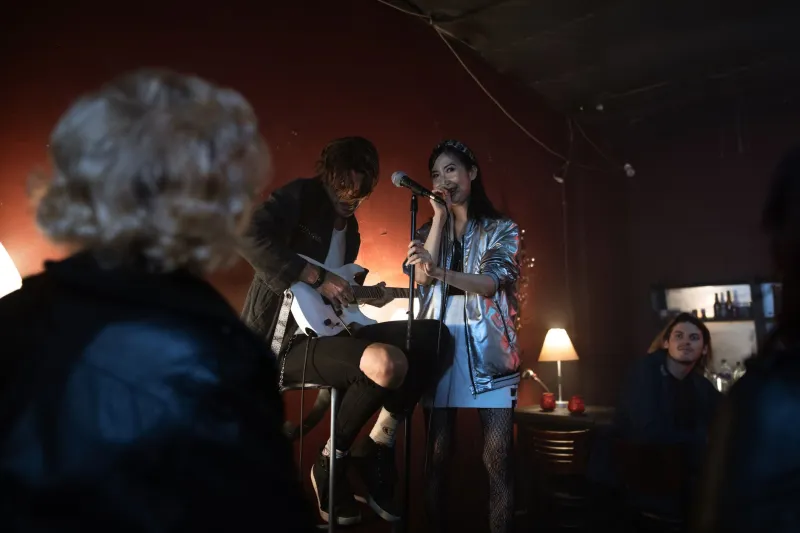
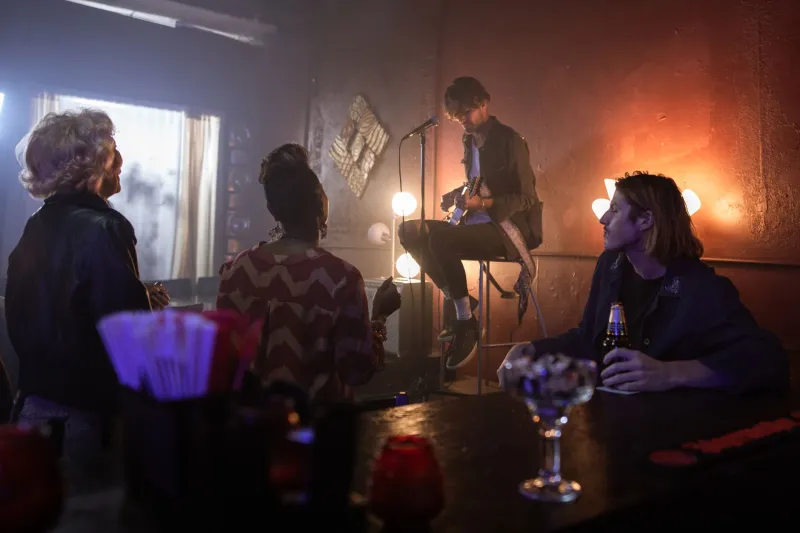
It's 9:47 on a Tuesday night at a corner bar in Columbus, Ohio, and a retired school bus driver is butchering Neil Diamond with total, glorious commitment. Nobody flinches. Nobody films it for content. A table of nurses on their post-shift wind-down claps along, and when he hits the chorus — the big chorus — the whole room sings it with him like they've been rehearsing for weeks.
They haven't. They've just been showing up. Every Tuesday. For years.
If you've never been to a regular neighborhood karaoke night, it's easy to dismiss the whole thing as a novelty — a cheesy relic of the '90s with a disk of backing tracks and a fog machine nobody asked for. But spend enough Tuesdays in enough bars, bowling alleys, and VFW halls across the country, and you start to notice something. Karaoke night isn't really about singing. It's about the rare, radical act of being witnessed by your neighbors and being okay with it.
The Lowest-Stakes Stage in America
Think about how few spaces like this are left. Almost every stage in American life comes with gatekeepers now. Open mics have their curated cool. Talent shows have their judges. Social media turned performance into a commodity, complete with metrics and comment sections that never sleep.
Karaoke, at its best, rejects all of that. There's no audition. No sign-up fee. No algorithm deciding whether your rendition of Fleetwood Mac deserves an audience. You write your name on a napkin, the host calls it out, and the stage is yours — bad pitch, forgotten lyrics, and all.
Sociologists have a term for spaces like this: "third places," the hangouts that aren't home and aren't work, where community actually gets built. Ray Oldenburg, who coined the phrase back in 1989, argued that these spots are where democracy and belonging quietly happen. And karaoke night might be the purest third place left standing — one where the only requirement for participation is a pulse and a song pick.
The Hosts Holding It Together
Every good karaoke night has a keeper, and in Toledo, that's Denise Marquez, who's run the Wednesday rotation at the same bowling alley lounge for eleven years.
"My job isn't the soundboard," she says, laughing between singers. "My job is reading the room. I know who needs a confidence boost, who's had a rough week, who shouldn't follow the guy doing death metal because it'll kill the vibe. That's the actual work."
That work matters more than it looks. Hosts like Denise are, in a very real sense, community organizers who happen to have a microphone. They remember names. They protect first-timers from hecklers. They build the unwritten rules that make a room feel safe — the ones you only learn by being there, like how nobody hogs the mic twice in a row, and how the drunk guy attempting Whitney Houston gets gentle support, not ridicule.
When a longtime host retires or a bar closes, regulars describe it in terms you'd normally reserve for a loss in the family. These nights are infrastructure. Invisible, unglamorous, deeply human infrastructure.
Songs From Home, Sung Far From It
There's another layer to karaoke's quiet power, and it shows up most vividly in immigrant communities across the country. In Houston's Mahatma Gandhi District, a monthly karaoke night draws families belting Bollywood classics and Telugu film hits. In Minneapolis, a Somali community center runs an open night where old Qaraami poems set to music share the songbook with pop hits. In Los Angeles' Koreatown, noraebang rooms hum until 2 a.m.
For folks building a life far from where they grew up, singing the songs of home isn't just entertainment. It's maintenance. Language, memory, and identity all live in music, and a karaoke night is one of the few places a second-generation kid can hear their grandmother's favorite song and actually learn it — not from a museum plaque, but from a room full of people singing along.
"My daughters know the words now," one regular at the Houston gathering told us, gesturing at his teenagers, who were halfway through a duet and pretending not to enjoy it. "They didn't get that from me lecturing them. They got it from this."
An Antidote to the Loneliness Epidemic
Here's the uncomfortable backdrop: the U.S. Surgeon General has declared loneliness a public health crisis, and time-use studies show Americans are spending less time with friends than at almost any point in modern memory. We're lonely at a scale that's genuinely new.
Against that backdrop, the humble karaoke night starts to look less like a kitschy pastime and more like a public health resource. It's cheap. It's recurring. It's intergenerational. It requires no skill, no membership, no shared background — just showing up. Regulars describe the ritual in almost religious terms: the same night, the same faces, the same songs, week after week, until strangers become something sturdier.
And unlike so much of modern entertainment, karaoke demands participation. You can't scroll through it. You can't consume it passively. At some point, the binder lands in your lap and the room is waiting. For three minutes, you're not a consumer. You're the show.
Keep the Light On
So the next time you walk past a bar with a hand-lettered sign promising "KARAOKE — WEDNESDAYS," know what's actually happening inside. A bus driver becoming a frontman. Nurses decompressing. A kid learning the songs of a homeland they've never seen. A host quietly stitching a neighborhood together, one three-minute performance at a time.
The stage is low. The stakes are lower. And that's exactly the point. In a culture obsessed with going viral, karaoke night asks something much rarer of us: just be here, be heard, and sing along with people you barely know yet.
See you on Wednesdays.