Couches, Casseroles, and Chord Changes: Inside America's House Concert Revival
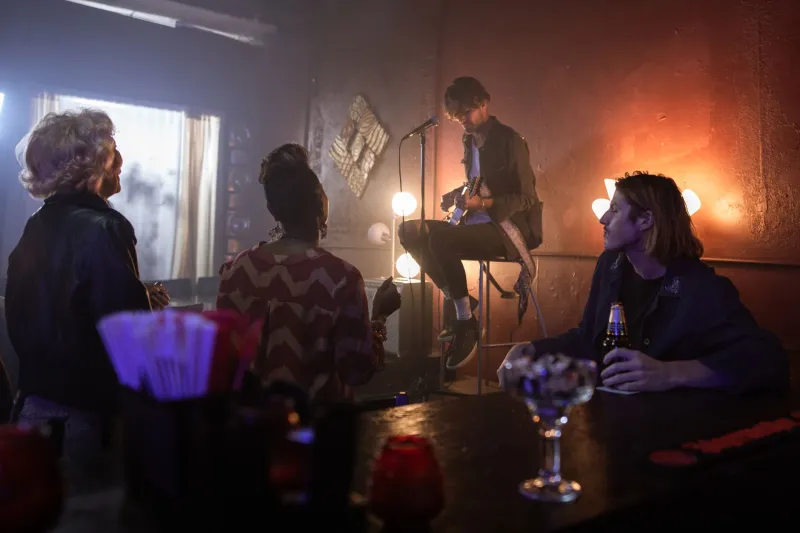
The best new music venue in America might not have a stage, a bar, or even a parking lot. It might have a sagging loveseat, a crockpot of chili, and about thirty strangers sitting cross-legged on the carpet.
House concerts — intimate, donation-based shows hosted in living rooms, garages, and back porches — have been quietly multiplying across the country for the past decade. But in the last few years, something shifted. What was once a quirky folk-music tradition has become a genuine economic lifeline for working musicians and a blueprint for how communities can fund culture directly, no middleman required.
The Math That Broke the Club Circuit
Talk to any mid-tier touring artist and you'll hear the same grim arithmetic. A club show might mean a $200 guarantee, a 20 percent cut of the door after the venue recovers its costs, a sound tech who's seen four bands that night, and merch sales to a crowd that arrived for the headliner and drifted to the bar during your set.
Now compare that to a house concert in, say, a craftsman bungalow in Portland or a converted barn outside Asheville. The host invites 30 to 50 friends and neighbors, asks for a suggested donation — often $20 to $30 a head — and hands most of it to the artist. No door split. No rent. No two-drink minimum. A good night can clear $800 to $1,500, which at the club level would require selling out a 300-cap room.
"I used to tour on fumes and play to the sound guy," one singer-songwriter told us. "Now I play to people who cooked me dinner, and I leave town with rent money. It's not even close."
Audience as Patron, Not Customer
What makes the house show model work isn't just the economics — it's the relationship it builds. At a club, the stage is a wall. At a house show, the "stage" is six feet from the audience, and the audience brought the potato salad.
That proximity changes everything. People listen instead of talk. They buy the vinyl because they heard the story behind it. They sign up for the mailing list, follow the artist's tour, and — crucially — offer to host the next show when the musician passes through their cousin's town.
This is culture funded the old-fashioned way: by patrons, except the patrons are schoolteachers and nurses instead of Medicis. For artists outside the algorithm's favor — folk, jazz, singer-songwriters, immigrant traditions, anything that doesn't stream well — this direct support is often the difference between touring and quitting.
And for the hosts? Many describe it as the best thing they've done for their social lives. In an era of loneliness epidemics and disappearing third places, the house concert turns a living room into a town square for one night a month.
How the Circuit Actually Works
The house concert scene runs on informal networks more than institutions. Artists trade host contacts down the highway — "ask for Deb in Iowa City, she does first Fridays." Regional Facebook groups and sites like ConcertsInYourHome and Undertow Music's host lists help match touring acts with living rooms. Some hosts have been doing this for fifteen years and can fill a room with a single email; others are just starting with eight friends and a folding chair.
The etiquette is unwritten but firmly enforced by the community itself:
- The donation is not optional. Hosts make the ask clearly, often with a jar or a digital payment link. Skipping it is the fastest way to never get invited back.
- It's a listening room. Conversation happens between songs, not during them. Hosts gently set this expectation in the invite.
- The artist eats. Potluck, pizza, whatever — feeding the musician is part of the deal.
- The artist sleeps. A spare room or a decent couch saves a hotel bill and often produces the best conversations of the tour.
Want to Host One? A Starter Guide
The barrier to entry is lower than you think. Here's the short version:
1. Pick your room and your number. You don't need a mansion. Thirty people seated closely is actually better acoustically and socially than fifty spread out. Living room, basement, garage, covered porch — all of it counts.
2. Find the artist. If you don't already have a favorite, browse house-concert host networks, message a local musician you love, or ask a nearby venue's opening act. Most working artists will say yes to a guaranteed audience and a real payout.
3. Set the terms early. Agree on the suggested donation, arrival time, whether it's solo or full band, and any gear needs. Put it in writing so nobody's guessing.
**4. Invite generously, confirm specifically."" Send invitations to more people than your capacity, then ask for RSVPs. A "maybe" is a no. Follow up the week of the show.
5. Handle the money openly. Announce the suggested donation at the start, pass the hat or set up a payment link, and count it with the artist before they leave. Transparency is the whole engine of trust here.
6. Keep it simple. Chairs in rows or a horseshoe of seating, one decent lamp instead of overhead lights, water for the performer. That's the production budget.
7. Ask about the next one before they leave. The circuit grows one referral at a time. If the show went well, offer a contact in the next town or offer to book their return date on the spot.
A Note on the Fine Print
A quick word for the cautious: donation-based house concerts are a well-established practice, and hosts generally don't charge admission — guests donate to the artist. If you plan to make hosting a regular thing, it's worth a conversation with your local government about noise ordinances and, depending on your situation, a chat with a tax professional about how donations flow. Most hosts never run into trouble, but the hosts who thrive are the ones who keep it neighborly and aboveboard.
The Bigger Picture
There's a reason this movement keeps coming up in conversations about the future of culture: it's a working model for something bigger. When a community pools twenty-dollar bills to pay an artist directly, it proves that cultural infrastructure doesn't have to mean corporate sponsorship or streaming pennies. It can mean us.
The living room has always been where culture actually happens — where kids take piano lessons, where families argue about records, where someone's uncle plays guitar after dinner. The house concert movement just took that truth on tour.
So the next time a musician you love announces a show two hours away at a bar with a $25 cover, consider an alternative: invite them over. Make too much food. Invite the neighbors. The middle class of live music won't rebuild itself.