Projector, Popcorn, Porch: The Backyard Cinema Movement Bringing Neighbors Out of the Dark
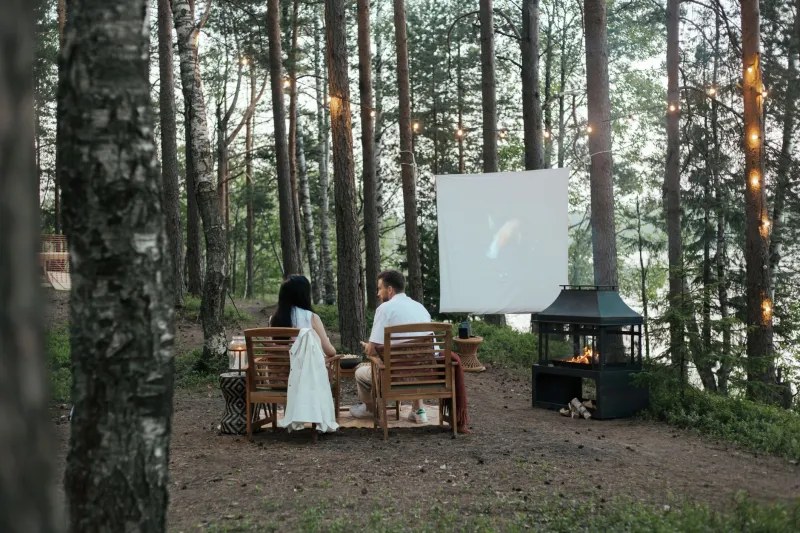
The screen is a white bedsheet clipped to a clothesline. The sound comes from a Bluetooth speaker that cuts out every few minutes. The seating is a patchwork of folding chairs, lawn blankets, and one extremely committed neighbor who brought an actual recliner.
And honestly? It beats the multiplex.
All over the United States, a quiet rebellion against passive, expensive, algorithm-driven moviegoing is taking shape — one projector at a time. Call it the backyard cinema movement: free or pay-what-you-can screenings hosted in living rooms, church basements, library meeting rooms, and yes, actual backyards, where the film is only half the point. The other half is each other.
Cinema Used to Be a Group Activity
There's a reason the earliest movie theaters were called nickelodeons and packed immigrants, laborers, and families into the same dark room. Film was born communal. Somewhere along the way — the rise of the suburban multiplex, then the streaming subscription, then the pandemic-era couch collapse — watching a movie became something we do alone, in isolation, three inches from our faces.
The folks running neighborhood screenings are pushing back on that, one Friday night at a time.
In Minneapolis, a collective of Somali-American filmmakers rotates screenings of Horn of Africa cinema through community centers, pairing films with conversation and strong tea. In East Austin, a couple with a decent projector and a generous streak runs monthly Nollywood nights in their driveway, drawing a crowd that's Nigerian diaspora, curious neighbors, and kids who stay for the popcorn more than the plot. In rural Ohio, the public library turns its meeting room into a micro-cinema once a month, screening everything from classic Hollywood to documentaries made by residents two towns over.
Different zip codes, same impulse: if the culture isn't coming to your neighborhood, project it yourself.
The Economics of a Bedsheet
Here's the beautiful part — the barrier to entry is almost embarrassingly low. A used projector runs a couple hundred dollars, less if you catch a library's equipment-lending program (a surprising number of public libraries loan them out). Public domain films are free and legal. Many organizers simply email independent filmmakers, who are often thrilled — and flattered — to have their work shown anywhere with a pulse.
Some screenings pass a hat. Some ask for five bucks to cover snacks. Some are completely free, funded by a neighborhood association grant or a nonprofit's arts budget. The point is that nobody's turning anyone away, and nobody's charging you the price of a small grocery run to sit in the dark.
That accessibility matters. For families who can't swing multiplex prices, for folks with sensory sensitivities who need to talk or move during a film, for elders who want subtitles and teenagers who want to heckle — the informal screening room welcomes what the commercial theater polices.
Why Shared Viewing Hits Different
Ask anyone who's attended one of these nights what made it special, and they rarely mention the film first. They mention the argument afterward. The debate. The stranger who turned out to live four doors down and had opinions — strong ones — about the ending.
Researchers who study social connection have long noted that experiencing something together, even silently, builds bonds that solitary consumption can't touch. Laughing in unison. Gasping at the same moment. Sitting in the shared afterglow of a story that moved you. It's the difference between scrolling past art and standing inside it.
In an era when loneliness is officially a public health concern and the average American knows fewer neighbors than their parents did, a monthly movie night looks less like a quirky hobby and more like civic infrastructure.
How to Start Your Own
Feeling the pull? The playbook is short:
- Pick a space. Backyard, garage, porch, community room. Check noise ordinances if you're outdoors after dark.
- Get the gear. Projector, speaker, extension cord, bedsheet or portable screen. Borrow before you buy — libraries and tool-lending libraries are goldmines.
- Choose films with intention. Mix crowd-pleasers with films your community rarely sees: international cinema, local documentaries, work by filmmakers from your own neighborhood.
- Sort the licensing. Public domain titles need nothing. For everything else, organizations like Swank and Criterion Pictures offer affordable public screening licenses — or ask the filmmaker directly.
- Make room for conversation. Ten minutes of discussion after the credits turns an event into a gathering.
The Credits Roll, the Lights Come On
There's a moment at every one of these screenings, right as the film ends, when someone flips the lights back on and everybody blinks at each other — suddenly visible, suddenly accountable to one another, suddenly neighbors instead of strangers.
The multiplex can't give you that. The streaming queue definitely can't. But a bedsheet, a projector, and forty people who live within walking distance? That's not just entertainment. That's a community remembering it exists.