Deep-Fried and Hashtagged: The County Fair's High-Stakes Gamble on Gen Z
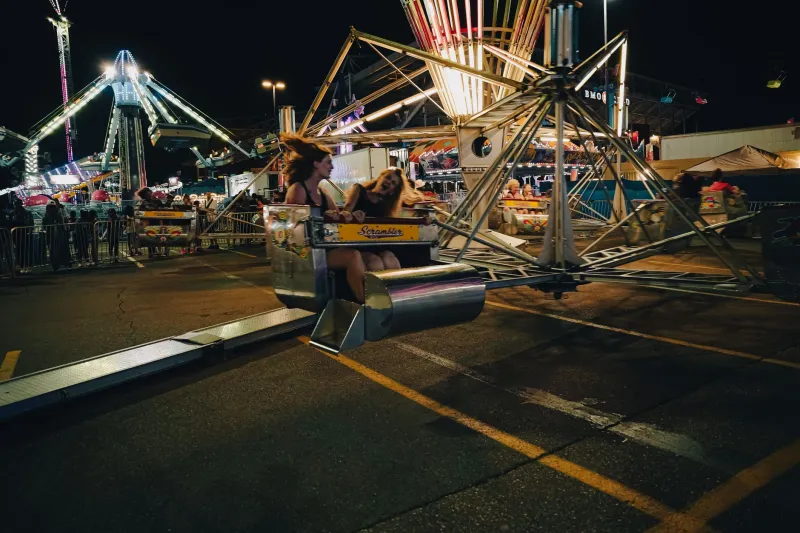
There's a moment at just about every county fair in America when the two worlds collide. It's around 8 p.m., when the rodeo crowd starts drifting toward the midway and a teenager in a 4-H hoodie is still wiping down her lamb's pen — phone propped up on a hay bale, filming a TikTok about show ring prep.
Both things are happening at the same fair. The question keeping fair boards up at night is whether both things can keep happening at the same fair.
The Fair Has a Demographics Problem
Let's be honest about why fairs are suddenly fluent in short-form video: the average fairgoer is getting older, and fair boards know it. Gate receipts fund the premiums, the facility upkeep, and next year's event. If the crowds age out, the whole enterprise wobbles.
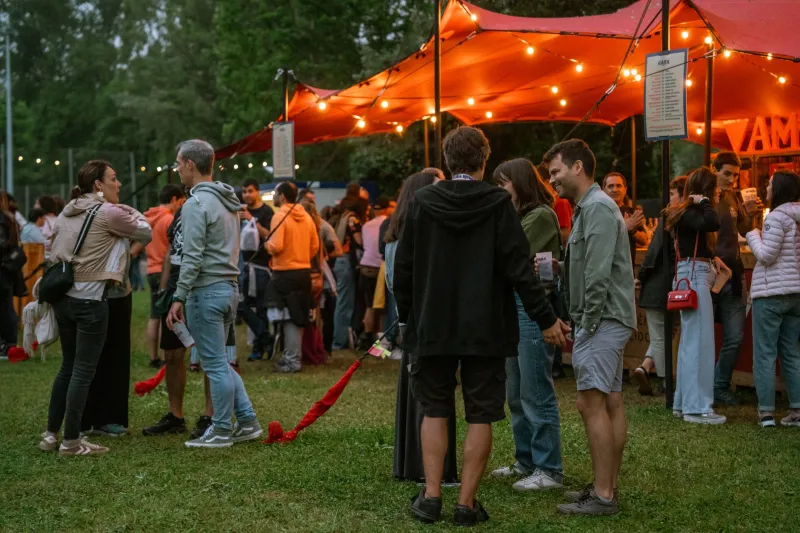
So fairs are adapting. In Iowa, Ohio, and across the Corn Belt, fairgrounds are running "late night" programming — glow rides, DJ sets on the midway, teen-focused concerts scheduled after the tractor pull instead of instead of it. Fair directors are inviting regional TikTok creators out for behind-the-scenes tours of the butter cow, the giant pumpkin contest, the pie auction. Some state fairs have official hashtag challenges with prize money attached.
And here's the thing: a lot of it is working. Attendance numbers at fairs that leaned into social-first programming have ticked up in the under-25 bracket. Teens who came for a viral funnel cake video are wandering into the rabbit barn.
That last part matters. Because the fair, at its best, has always been a bait-and-switch. You come for the corn dogs and stay for the sense that this place belongs to you.
The Barn as Backdrop
Not everybody's thrilled. Talk to third-generation vendor families — the ones who've fried the same onion bloom recipe since 1987 — and you'll hear a familiar worry: the livestock barns are becoming scenery. A backdrop for content. The animals, the show rings, the kids who spent eleven months halter-breaking a heifer — reduced to aesthetic.
There's a real tension there. 4-H families aren't anti-phone; most of the teen exhibitors are the ones driving the fair's viral moments. But some longtime folks describe a shift in vibe — fairgoers who treat the barns like a petting zoo photo op rather than the culmination of a year of work.
The teen exhibitors themselves, though, are mostly unbothered. Many of them are the most savvy self-promoters at the fair, using their platforms to explain where food comes from, demystify livestock showing, and push back on misconceptions about agriculture. For them, the phone isn't a threat to tradition. It's the megaphone tradition never had.
What "Tradition" Actually Means in 2025
Here's where the fair boards have landed, more or less: tradition isn't the trappings. It's the function.
The ferris wheel isn't the tradition. The demo derby isn't the tradition. The tradition is that for one week a year, the whole county shows up in the same place — farmers and nurses and teenagers and retired folks — and sees each other. Whatever gets people through the gate in service of that is fair game. Pun intended.
That's why the fairs getting this right aren't choosing between the TikTok and the tractor pull. They're scheduling them back to back. They're putting QR codes on the cattle stalls that link to the exhibitor's own video about her project. They're letting the young people lead, because the young people, it turns out, love this place too.
The fairs that feel forced are the ones that treat Gen Z like a marketing segment instead of members. The ones that work hand the camera to a 16-year-old who's been coming since she was inClovers and say, "show them what you love about this."
The deep fryer and the hashtag can share a midway. The soul of the fair was never the fried dough anyway. It was the neighbors. And neighbors, it turns out, come in every generation.