The Rules Are on the Table: Why Board Game Cafés Are the Third Place America Actually Needed
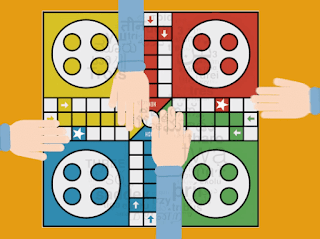
Photo: leestar, CC BY-SA 4.0, via Wikimedia Commons
There's a moment that happens at almost every board game café in America. A group of strangers finishes a round of something loud and chaotic — maybe Cockroach Poker, maybe Codenames — and someone says the thing that keeps these places alive: "Same time next week?"
No one had to be funny. No one had to be talented. Nobody had to buy a second round they couldn't afford. They just had to show up and learn the rules.
That low bar is exactly the point. And it's why tabletop gaming spaces have quietly become one of the most accessible cultural movements happening in American communities right now.
The Third Place Got Expensive
Sociologists have long talked about the "third place" — the spot that isn't home and isn't work where community actually happens. For decades, that was the bar, the bowling league, the church basement. But those spaces come with baggage. Bars run on alcohol sales. Leagues require commitment and, often, athleticism. And everything else in adult life seems to require a subscription.
Board game cafés flipped the model. Most charge a small cover — five bucks, maybe ten — or just ask you to buy a snack. In exchange, you get access to a wall of hundreds of games, a table for the whole evening, and, crucially, staff who will teach you whatever you pick. The barista at Mox Boarding House in Bellevue or the game guide at The Boardroom in Iowa City isn't just serving drinks; they're a human instruction manual.
"People are starved for structured socializing," says one café owner in the Twin Cities. "Nobody wants to do small talk cold anymore. A game gives you something to do while you talk. It's scaffolding."
You Don't Have to Be Good at It
Here's what sets tabletop apart from nearly every other community cultural activity: there's no talent threshold. Community choirs ask if you can sing. Open mics ask if you can perform. Even trivia night rewards people who retained a lot of facts.
A board game just asks if you can take a turn.
That's a genuinely radical accessibility proposition. Modern hobby games are designed with explicit rules — literally printed on paper — so nobody has to guess what's expected of them. For folks with social anxiety, for newcomers to a city, for neurodivergent players who find unstructured hangouts exhausting, a rules-based evening is a relief, not a constraint. The box tells you what to do. The rest is optional.
And the diversity of the scene is real. Game nights at public libraries from Queens to Portland draw crowds that look nothing like the stereotypical basement dungeon master of the 1980s. Designer-led community events — many organized by Black and brown game designers pushing for a more inclusive industry — have turned conventions and café nights into spaces where the table finally reflects the neighborhood.
The Library Is the New Game Store
Some of the most exciting stuff isn't happening at a business at all. Public libraries across the US have built circulating board game collections — yes, you can check out Wingspan like a book — and host weekly game nights that cost exactly nothing. In smaller towns, the library game night is often the only regular evening event for adults that isn't church or a bar.
It's a perfect fit. Libraries have always been the last truly free third place. Adding a shelf of games just gave people a reason to stay past closing announcements.
What the Table Teaches
Spend enough evenings around a game table and you notice something: it's practice for being in community. You learn to lose gracefully in front of acquaintances. You learn to read the room. You learn that the person who beat you at Catan last week will happily lend you a ride when your car dies.
One regular at a game café in Asheville put it plainly: "I moved here knowing nobody. I've now got twelve people I'd call in an emergency, and I met all of them over cardboard."
The front porch didn't come back. But the table did — and it's big enough for everyone to pull up a chair.